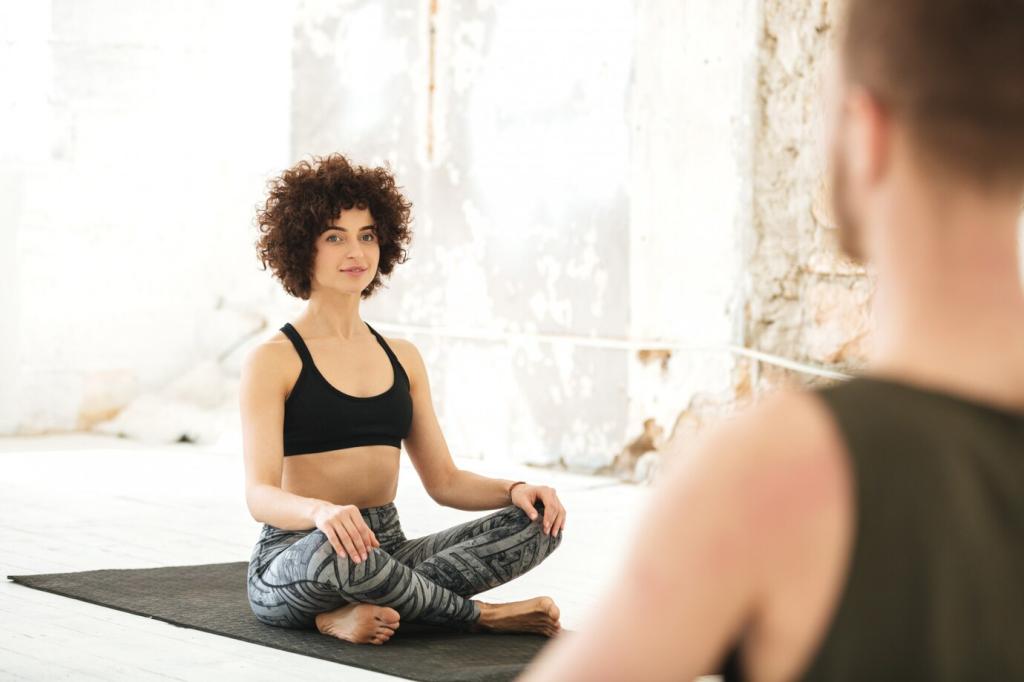
Chosen theme: Guided Meditation for Post-Workout Recovery. Breathe out the effort, breathe in renewal. Let this gentle practice anchor your body, calm your mind, and turn hard-earned sweat into deeper restoration and lasting strength.
Why Meditation Supercharges Recovery
Switching On the Rest-and-Repair Mode
Guided meditation stimulates the parasympathetic nervous system, lowering heart rate and cortisol so your body can repair microtears, rebalance energy, and convert post-workout stress into growth without lingering tension.
Slow, attentive breathing and visualization can decrease perceived exertion and pain, supporting better inflammatory balance. This means less soreness tomorrow and more readiness to train consistently with confidence.
A mindful cooldown completes the training cycle. By processing sensations and emotions, you teach your brain to associate effort with safety, clarity, and calm, reinforcing a resilient recovery pattern.
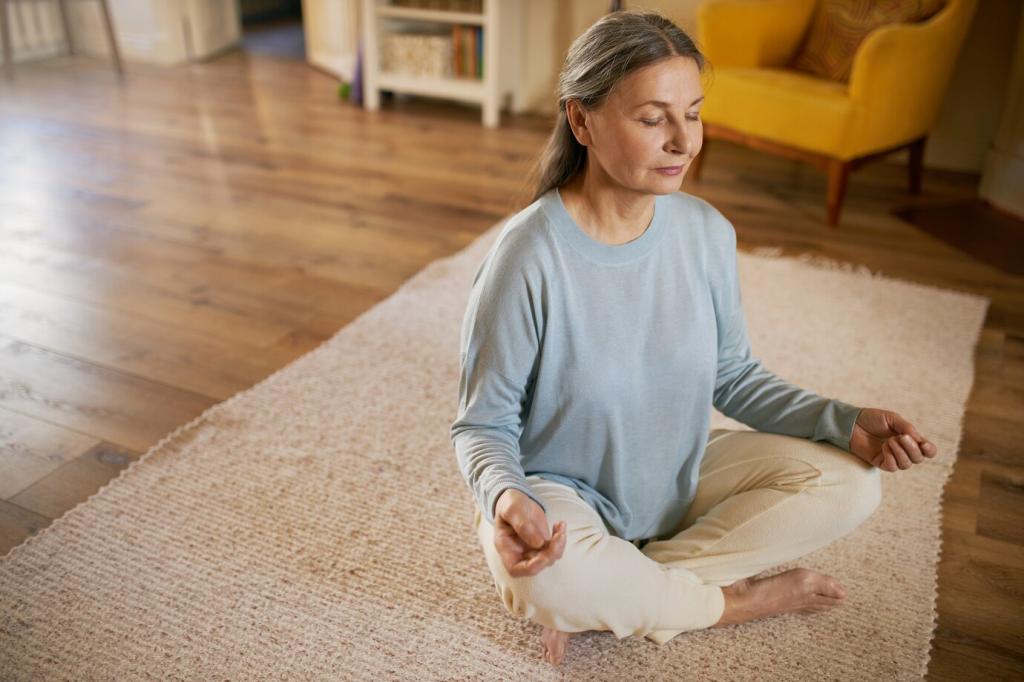
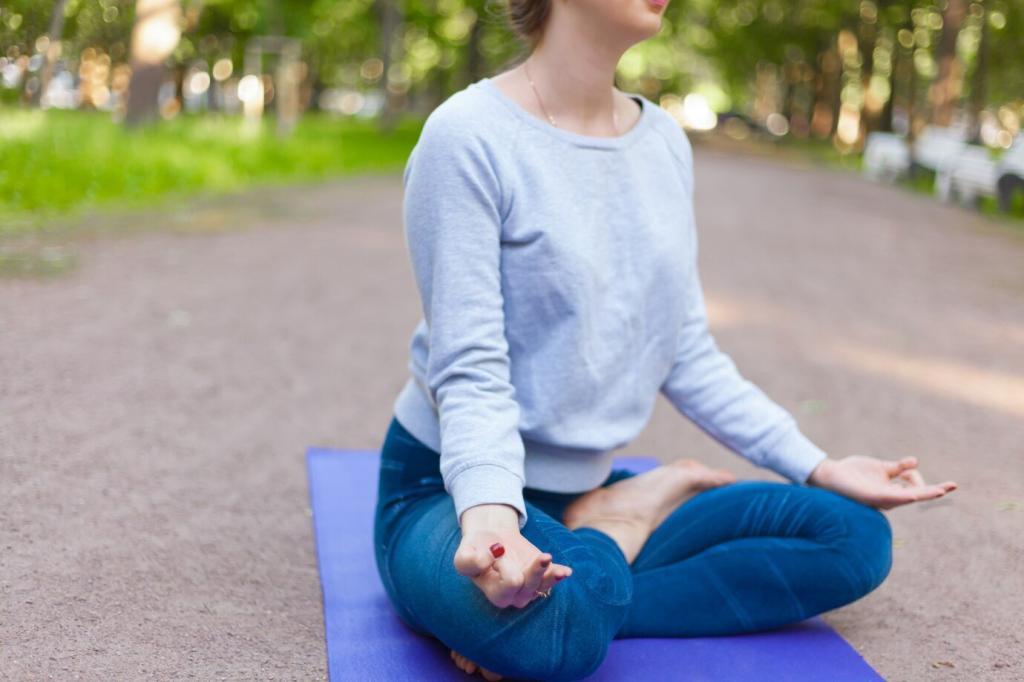
Dim the lights, sit or lie on a comfortable mat, and wrap a light towel around your shoulders. These cues soften adrenaline’s edge, inviting your mind into a restorative, meditative state.
Create Your Post-Workout Meditation Space
Use a folded blanket beneath your head or knees to remove strain. Gentle warmth keeps muscles supple, helping your nervous system feel secure and open to guided suggestions.
Body Scan to Melt Residual Tension
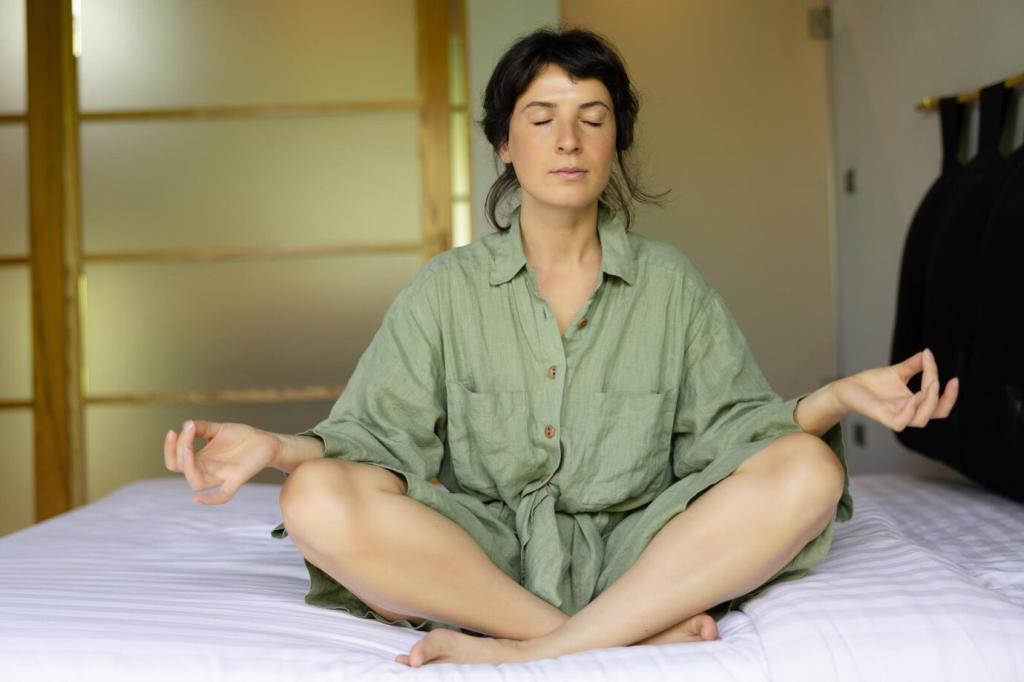
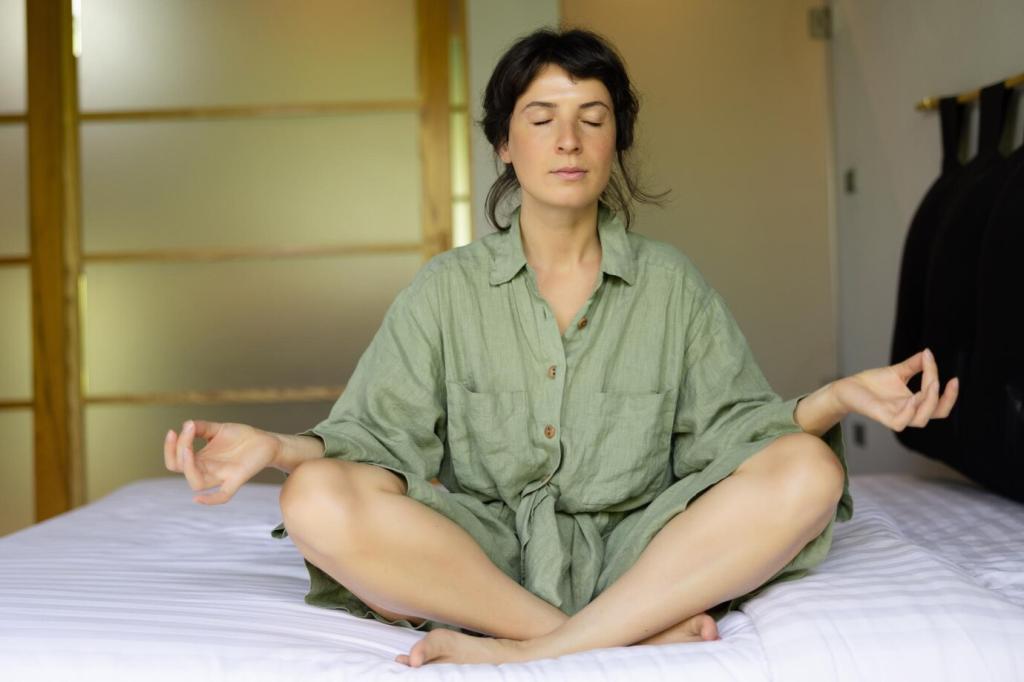
Close your eyes and sweep awareness from crown to toes. Notice warmth, tightness, or pulsing. On each exhale, invite heaviness to drop through the floor, leaving muscles soft and receptive.
Breath Visualization for Circulating Recovery
Imagine each inhale gathering fresh oxygen, and each exhale washing fatigue away. Picture breath as a cool blue wave traveling to the muscles you trained, renewing them with ease.
Seal the Session with Gratitude and Intention
Thank your body for showing up. Set a gentle intention like, “I rebuild with patience.” Feel that message settling into your posture, guiding tomorrow’s choices with kindness.
Real Stories: Turning Effort into Ease
After adding five minutes of guided breath post-run, Maya noticed her knees felt less stiff and her mood steadier. She began to look forward to recovery as much as the miles.
Real Stories: Turning Effort into Ease
Evan used visualization after heavy squats, picturing blood flow repairing fibers. Over a month, his soreness became manageable, and he hit new PRs without the dread of dragging fatigue.
Real Stories: Turning Effort into Ease
A basketball coach added group body scans post-practice. Players reported clearer focus and fewer nagging aches. The locker room got quieter, calmer—and performance steadier through the season.
Techniques Tailored for Post-Workout Calm
Box Breathing to Steady the System
Inhale four counts, hold four, exhale four, hold four. Repeat. This rhythmic structure quickly stabilizes the nervous system, easing the shift from intensity into deliberate restoration.
Progressive Muscle Relaxation for Sore Spots
Gently tense specific muscle groups for a few seconds, then release with a long exhale. The contrast teaches your body the sensation of letting go, reducing residual tightness.
Avoid These Common Post-Workout Meditation Pitfalls
Skipping a mindful bridge into recovery keeps your system amped. Silence notifications, breathe deliberately, and give yourself five minutes to transform effort into calm energy.
Avoid These Common Post-Workout Meditation Pitfalls
You don’t need perfect stillness. Notice thoughts, then gently return to breath or guidance. The goal is cooperation with your body, not control over your mind.