Holistic Meditation for Physical Recovery: Breathe, Restore, Thrive
Selected theme: Holistic Meditation for Physical Recovery. Welcome to a warm, science-savvy space where breath, awareness, and gentle intention meet the body’s remarkable capacity to heal. Stay curious, subscribe for weekly practices, and share how today’s guidance supports your recovery journey.
From Stress to Repair
When stress softens, the parasympathetic system can guide resources toward tissue repair and inflammation regulation. Holistic meditation calms cortisol spikes, steadies breathing, and invites your system to shift from fight-or-flight into rest-and-rebuild. Tell us: what signals tell you your body is settling?
A Whole-Person Lens
Recovery is never just muscles and bones; it includes mood, sleep, beliefs, and environment. Holistic meditation integrates body sensations, breath, and mindset so progress becomes a supported ecosystem. Comment with one lifestyle detail—light, sound, routine—you’ll adjust to encourage consistent healing.
Your First Five Minutes
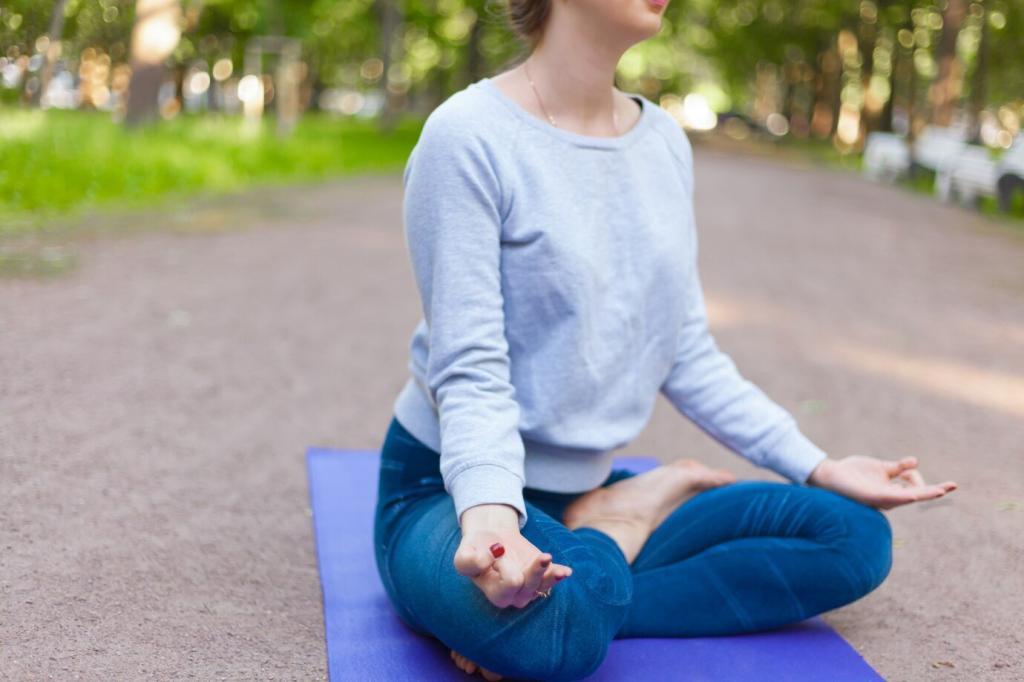
Place a hand on your heart and another on the area that needs care. Breathe gently in for four, out for six. Imagine warmth flowing through connective tissue like sunlight through water. Repeat for five minutes, then note one subtle improvement and share it below.
Breath and the Nervous System
Try a 4-6 or 4-7-8 cadence to nudge heart rate variability upward and soothe pain perception. Keep shoulders relaxed, jaw soft, and exhale longer than you inhale. If you try it today, post your most comfortable rhythm so others can learn from your experience.
Breath and the Nervous System
Close your eyes and sweep attention from crown to toes, noticing temperature, tingling, or subtle pressure. These micro-signals help calibrate safe movement and rest. Jot down two areas that feel calmer after scanning, and reply with one surprising sensation you noticed.
Mindful Movement During Rehabilitation
Chair-Based Microflows
Explore tiny arcs of motion—ankle circles, wrist waves, shoulder glides—coordinated with slow exhalations. Keep the effort level at a comfortable three out of ten, ending before fatigue arrives. Share your favorite two-minute sequence so others can build their own mindful microflow.
Somatic Stretching Principles
Move into stretches only until you meet a gentle edge, then breathe and soften rather than pulling harder. Let the release emerge from patience, not force. Tell us which stretch gives you the most relief, and we’ll craft a community playlist of variations.
Safety and Signals
Pain that sharpens or lingers is helpful information, not failure. Adjust intensity, range, or duration, and consult your clinician when unsure. Comment with one personal signal—temperature change, tension, breath shift—that reliably tells you to pause and recalibrate.
Dim lights, set devices aside, and try ten minutes of slow breathing plus a compassionate body scan. Visualize connective tissue being repaired like careful stitching. If this ritual helps you drift sooner tonight, drop a note about your favorite calming detail.
Meditation, Sleep, and Tissue Repair
Short, mindful naps can reset irritability and reduce pain sensitivity. Before resting, set a simple intention: “My body knows how to heal.” After waking, move your joints gently and drink water. Share your ideal nap length so others can find their sweet spot.
Stories from the Recovery Path
A Runner’s Quiet Comeback
After an ankle sprain, Maya practiced four-minute breathing sets between rehab exercises. She said the exhale carried her frustration away. Eight weeks later, her stride returned—slower, wiser, steadier. Share your comeback moment, however small, to encourage someone on week one.
Nurse, Night Shifts, New Boundaries
Jon, a nurse recovering from back strain, built a 12-minute pre-sleep ritual after night shifts: dim lights, warm tea, and compassionate breath. He swears the ritual shortened flare-ups. What boundary—time, posture, screen use—could you set to protect your healing window?
Grandparent Strength, Gentle Pace
Elena, determined to lift her grandson again, used body scans to notice early tension. She paused mid-task to reset her breath, preventing overexertion. When she finally picked him up, she cried. If her patience inspires you, subscribe and share the moment you’re working toward.