Meditative Practices for Enhanced Sports Recovery

Selected theme: Meditative Practices for Enhanced Sports Recovery. Welcome to a calm, focused space where breath, awareness, and gentle visualization help your body reset after hard sessions. Stay with us, subscribe for weekly guidance, and share your favorite mindfulness rituals for faster, smarter recovery.

Why Meditation Accelerates Recovery

The Parasympathetic Switch

Intense training ramps up sympathetic drive; meditation nudges you back toward parasympathetic balance. Slower breathing and quiet focus support heart rate variability, vagal tone, digestion, and tissue perfusion. Even six to ten minutes can meaningfully reduce perceived exertion and create a powerful foundation for recovery.

Mindfulness and Pain Perception

Research suggests mindfulness can modulate pain perception by reducing catastrophizing and recalibrating threat appraisal in the brain. When athletes observe soreness without judgment, tension eases, breathing deepens, and movement becomes smoother, setting the stage for more restorative sleep and faster day‑to‑day bounce back.

Breathwork Protocols for Post-Workout Calm

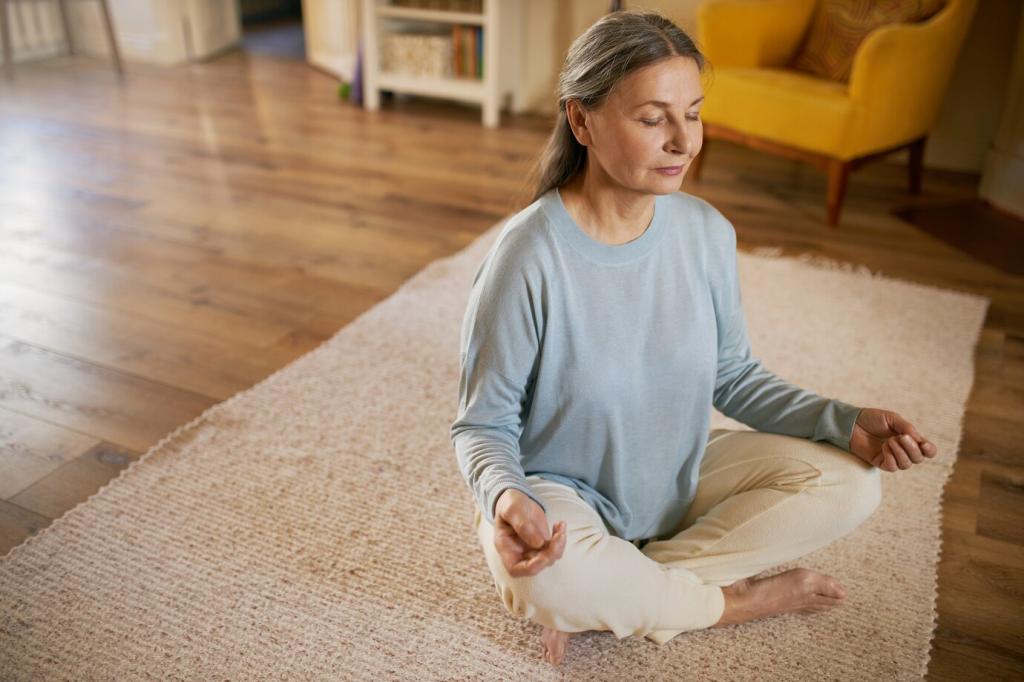
Inhale for four, hold four, exhale four, hold four. Repeat for five minutes while sitting or lying comfortably. Keep shoulders soft, jaw unclenched, and eyes gently focused. This steady rhythm quiets the nervous system and signals your body that it is safe to restore.

Breathwork Protocols for Post-Workout Calm

Try a four‑count inhale and a six to eight‑count exhale for six minutes. The longer exhale can enhance vagal activity and calm your heart. Keep airflow through the nose and imagine stress dissolving with each exhale, leaving steady warmth through your chest and abdomen.

Guided Body Scan for Muscle Repair

Lie down and move attention slowly from toes to calves, thighs, hips, spine, shoulders, arms, neck, and head. Notice sensations without labeling them good or bad. Breathe evenly. Where you find tension, soften your jaw and lengthen your exhale, allowing heaviness to settle into the floor.

Visualization That Supports Tissue Confidence

Rehearsing Efficient Technique

Close your eyes and picture three flawless reps of a key movement at comfortable speed. See foot placement, timing, and breathing. Neuroscience suggests motor imagery engages overlapping circuits with real practice. Finish by thanking your body for learning, then note one cue you will test tomorrow.

Sleep Rituals: Meditate Your Way to Deeper Rest

Before screens go dark, sit comfortably and take ten slow, nasal breaths. Count down from ten. On each exhale, soften your shoulders and let the day’s effort fade. End with one line of gratitude about your training. Tell us your favorite nighttime mantra in the comments.

Sleep Rituals: Meditate Your Way to Deeper Rest

Inhale for four, hold for seven, exhale for eight, three or four rounds. Keep it gentle to avoid lightheadedness. Many athletes find this pattern particularly soothing on high‑stress days. Let the exhale feel like a long wave washing tension from your neck and chest.

Mindful Mobility and Stretching

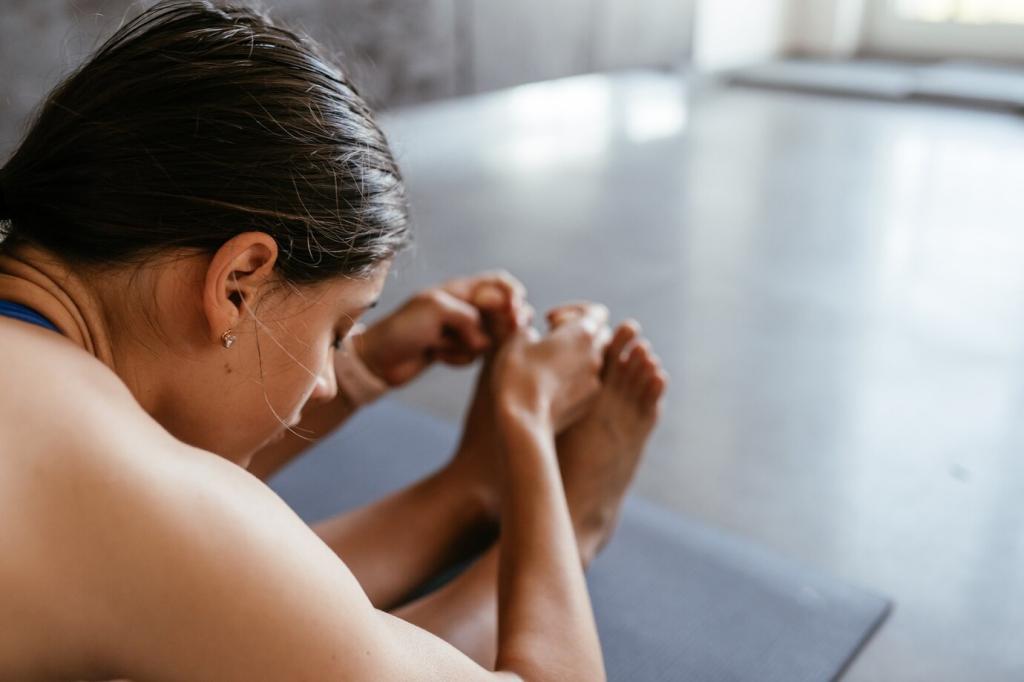
Spend six minutes moving slowly through cat‑cow, hip circles, and kneeling lunges. Inhale to expand space; exhale to soften into position. Keep attention on subtle changes in tension. This mindful tempo turns routine mobility into a mini‑meditation that leaves you calmer and more coordinated.

Mindful Mobility and Stretching

Choose one shape, like a calf stretch or doorway pec stretch, and hold for two minutes. Breathe with long, unforced exhales while scanning for grip and release. Avoid chasing intensity. The goal is nervous system permission, not heroic range. Share your favorite two‑minute melt below.

Mindful Mobility and Stretching

Notice judgmental thoughts about tightness or performance and label them gently as ‘thinking.’ Return to breath and sensation. This small practice builds resilience and patience, which compound across training cycles. What phrase helps you stay kind during recovery? Post your mantra to inspire others.

Mindful Mobility and Stretching

Lorem ipsum dolor sit amet, consectetur adipiscing elit. Ut elit tellus, luctus nec ullamcorper mattis, pulvinar dapibus leo.

Track What Matters and Celebrate Small Wins

Micro-Journaling Template

After each session, jot: mood, soreness, minutes meditated, sleep quality, and one body message. Keep it under sixty seconds. Over weeks, patterns emerge that guide smarter choices. If you build a template you love, share it with the community and help others start strong.

Heart Rate Variability and Mood

Track HRV trends rather than single numbers, alongside morning mood and muscle feel. If meditation and breathwork improve your baseline, you will see steadier scores and calmer starts. Celebrate small wins, and remember that consistency often beats occasional heroic efforts for recovery.

Community Accountability

Post your weekly meditation minutes and one insight in the comments. Invite a teammate to join you for a recovery walk or body scan. Social support strengthens habits and keeps practices enjoyable. Subscribe for monthly challenges and gentle check‑ins that help you stay consistent.
Majorleaguetransport
Privacy Overview

This website uses cookies so that we can provide you with the best user experience possible. Cookie information is stored in your browser and performs functions such as recognising you when you return to our website and helping our team to understand which sections of the website you find most interesting and useful.