Recover Smarter: Mindfulness Techniques for Athletic Recovery
Chosen theme: Mindfulness Techniques for Athletic Recovery. Step into a calm, athlete-centered space where breath, awareness, and gentle focus help muscles repair, minds reset, and motivation return. Try the practices, share your results, and subscribe for weekly recovery rituals.
Sit tall, inhale through the nose for four, then exhale softly for six to eight counts. That longer exhale signals safety, easing tension. Many athletes report their shoulders drop within minutes. Try three rounds, then comment how your mood shifts.
Mindful Mobility: Movement that Restores, Not Depletes
For eight minutes, walk heel-to-toe and count steps to four on the inhale, four on the exhale. Notice air on skin, foot pressure, and arm swing. Athletes report heart rate settles faster, and post-run chatter quiets like a dimmer switch.
Mindful Mobility: Movement that Restores, Not Depletes
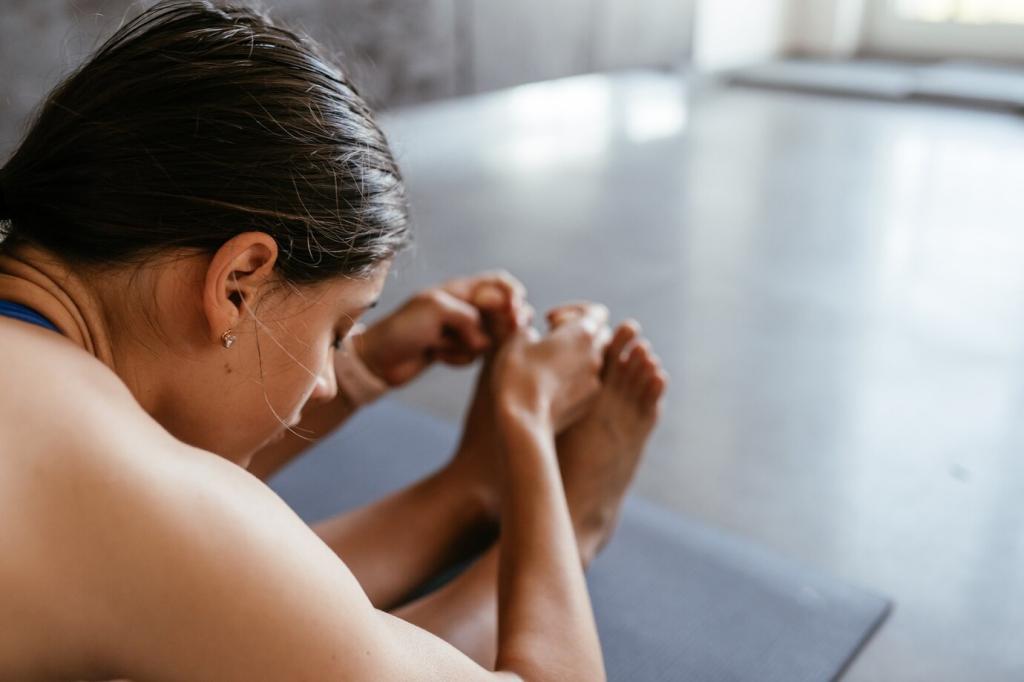
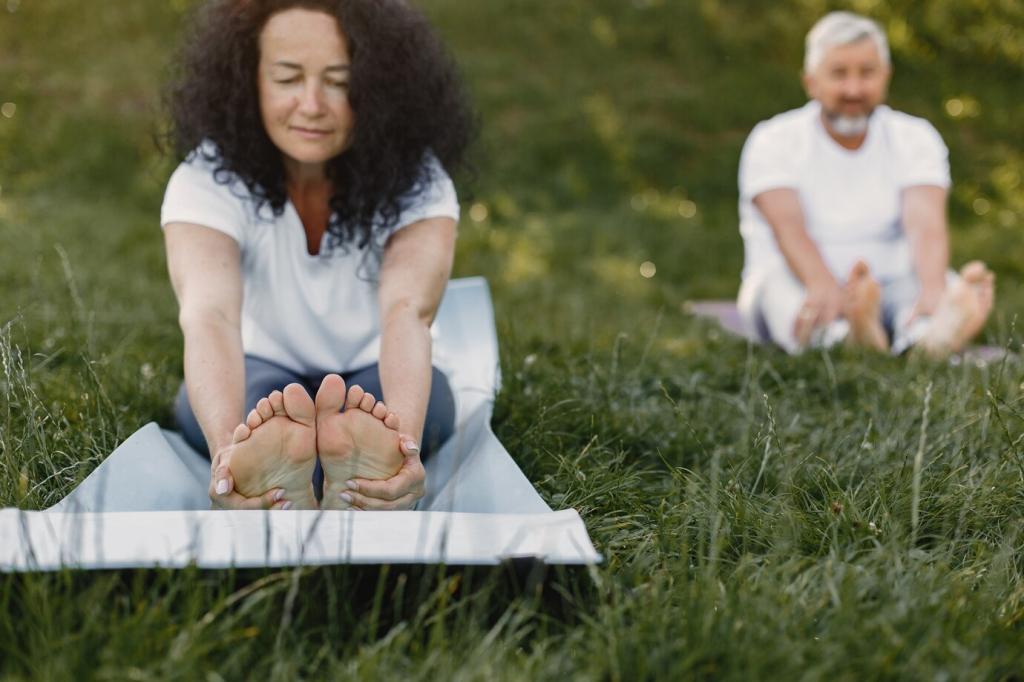
Hold a gentle stretch for five breaths, easing a millimeter on each exhale. Keep sensations at a seven out of ten comfort ceiling. Curiosity beats force. Note which stretch returns the biggest comfort dividend in your recovery journal.
Mindful Mobility: Movement that Restores, Not Depletes
During strength sessions, use mindful shoulder circles or ankle rolls for thirty seconds, focusing on smooth arcs and steady breathing. This keeps the nervous system relaxed. Comment how these mini-moves change your sense of stiffness tomorrow morning.
Mindful Sleep Rituals: Repair While You Rest
Lie comfortably, eyes closed. Guide attention from breath to body, then visualize a warm wave sweeping down your limbs. Many athletes call this a nap without grogginess. Ten to twenty minutes can reset your evening and sharpen morning readiness.
Picture a steady, golden warmth surrounding a tight muscle, expanding on each exhale. Athletes often sense subtle softening and less guarding. Pair imagery with gentle touch, and note any changes in range before your next session.
Rewatch a difficult workout in your mind with kindness. Replace harsh self-talk with supportive cues: steady, patient, strong. One swimmer said this practice shrank her post-set tension headache. Share your favorite cue to help our community reframe effort.
Imagine meeting your recovered self next month. Ask: what did you rest from, what pace felt right, which mindfulness tool stuck? Write the answers. This turns intention into roadmap. Post one insight and encourage a teammate to try it too.
Sit, breathe six calm cycles, and sense hunger level from one to ten. Choose portions that match the number, not emotions. Athletes report fewer ravenous swings. Comment your number today and whether your energy felt steadier afterward.
Slow Chew, Texture Focus
Chew each bite thoroughly, noticing texture, temperature, and subtle flavors. This helps satiety signals register. A trail runner told us mindful chewing prevented his usual post-run stomach clench. Try it with your recovery bowl and record how you feel.
Thirst Check and Electrolyte Awareness
Before chugging, pause to sense thirst, mouth dryness, and lightheadedness. Sip steadily, add electrolytes when sweat loss was high, and stop just past comfort. Track weight changes if helpful, and subscribe for our mindful hydration mini-guide.