

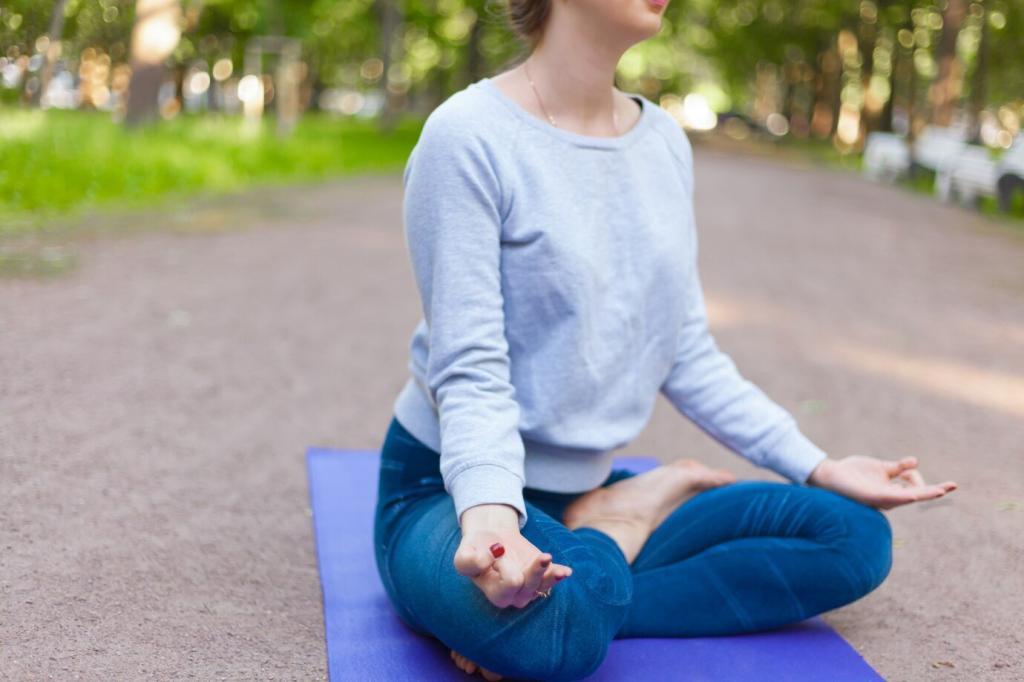
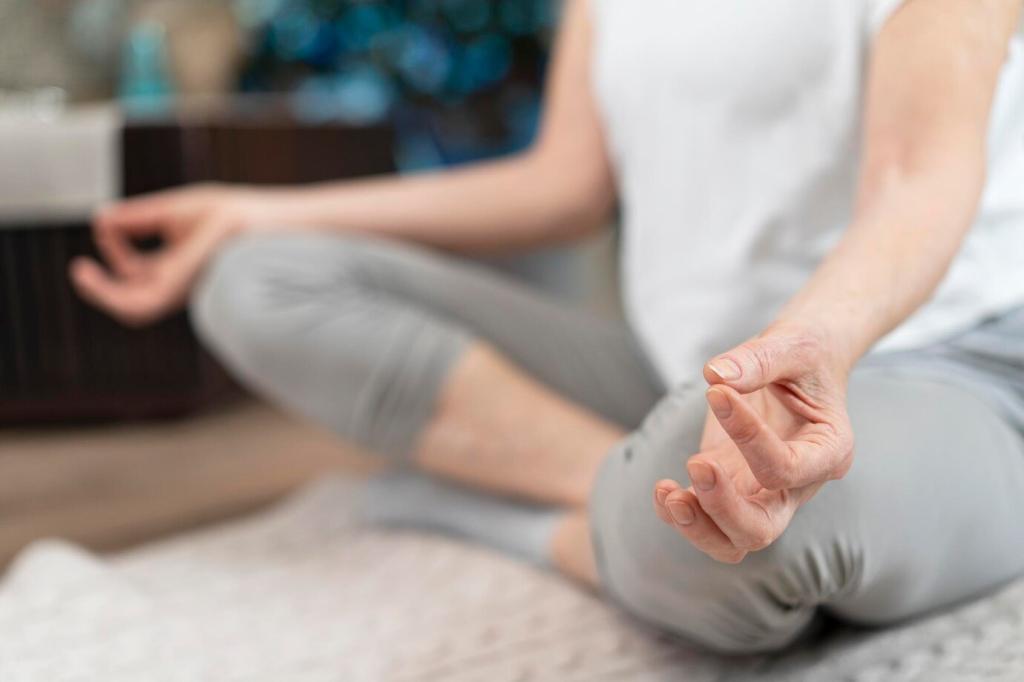
Visualization Meditation for Improved Athletic Performance

Welcome to your training ground for the mind. Today’s chosen theme is Visualization Meditation for Improved Athletic Performance—an inspiring, practical guide to harnessing mental rehearsal so you compete calmer, recover faster, and play with confident precision. Subscribe for weekly routines, stories, and science-backed tools.

The Science That Powers Mental Rehearsal

When you visualize with sensory detail, the motor cortex engages in patterns similar to physical practice. Over time, these neural pathways become more efficient, translating into smoother mechanics and quicker decision-making when the whistle blows.

Designing Your Pre-Game Visualization Routine

Timing, Duration, and Breathing

Aim for five to ten minutes, ideally after light mobility. Use a four-count inhale, six-count exhale to settle. A short, consistent window beats sporadic marathons, ensuring your brain recognizes the cue and switches into game mode.

Script Your Scenario

Write a brief, vivid script: opening environment, key actions, and a successful finish. Include cues like turf texture or starting gun echo. Repeat the script three times, then condense it to quick images you can access mid-competition.

Closing the Loop

End with a success snapshot and a grounding gesture—tap your chest, press thumb to index finger, or whisper an anchor word. This creates a neurological shortcut you can trigger when nerves arrive. Tell us your anchor in the thread.

Make It Vivid: Engaging All Senses

Picture the glint on the rim, the scuff on lane four, the scoreboard flicker. Visualize angles, shadows, and depth. Specific details help your brain predict trajectories and timing, creating smoother execution under pressure.

Resilience: Visualizing Through Setbacks and Injury

Visualize discomfort as information, not danger. See breath surrounding the ache, widening your window of tolerance. Athletes who separate sensation from identity regain composure faster and protect their mechanics during challenging phases of recovery.

Resilience: Visualizing Through Setbacks and Injury

Rehearse clean, controlled reps of your rehab exercises, then the next safe progression. Add timing, tempo, and range targets. Imagery primes motor plans so your first real attempts feel familiar, reducing fear and compensations.

Shared Mental Models

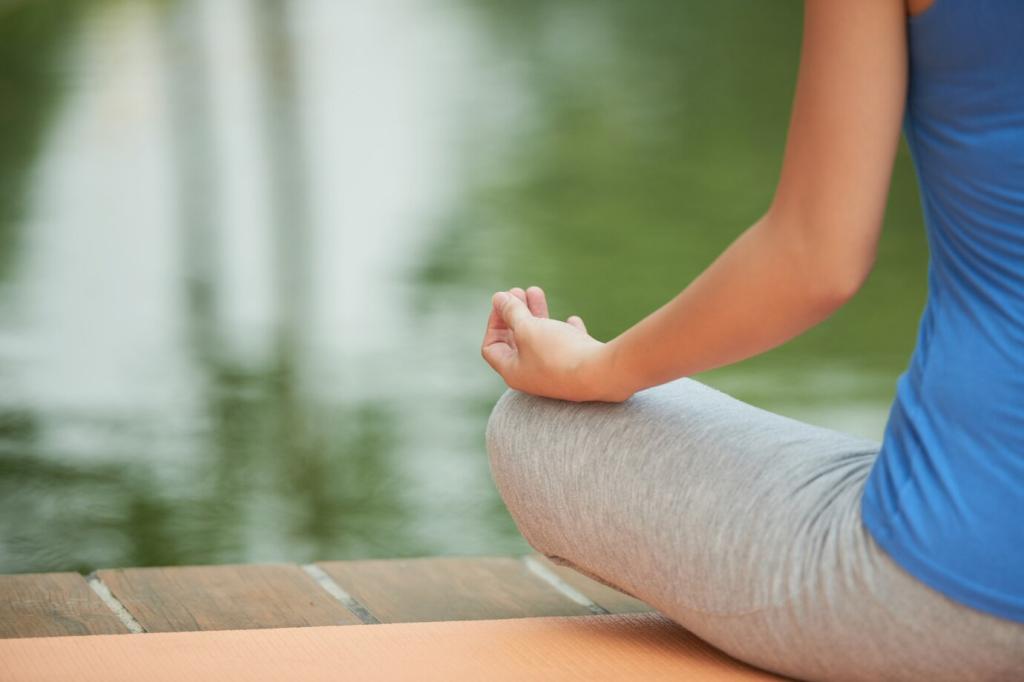
Host a three-minute group visualization before practice. The captain sets a scene—tempo, cues, and desired outcomes. When everyone pictures the same timing and intent, transitions tighten and communication feels almost telepathic.

Playbook Walkthroughs

Mentally run set pieces at game speed: spacing, angles, and contingencies. Picture opponents’ tendencies and your counters. This turns plays from memorized diagrams into lived experiences you can execute calmly when chaos arrives.

Tracking Results and Staying Consistent

Journaling and Metrics

Log session length, imagery clarity, pre-competition calm, and perceived focus. Track execution markers like start reaction, accuracy, or turnovers. Over weeks, patterns emerge that guide tweaks to scripts, breathing, and timing.

Micro-Goals and Streaks

Set tiny commitments: five minutes post-warmup, three sensory details, one anchor gesture. Celebrate streaks to build identity as a consistent practitioner. Post your streak count and invite friends to join you.

Feedback Loop with Coaches

Share your scripts and results with coaches. Ask for tactical cues to embed, and review game film to refine scenes. Subscribe for downloadable templates and drop questions about your sport for customized guidance.
Majorleaguetransport
Privacy Overview

This website uses cookies so that we can provide you with the best user experience possible. Cookie information is stored in your browser and performs functions such as recognising you when you return to our website and helping our team to understand which sections of the website you find most interesting and useful.